Apps for Scheduling Instagram Posts: 2026 Guide
· 11 min read
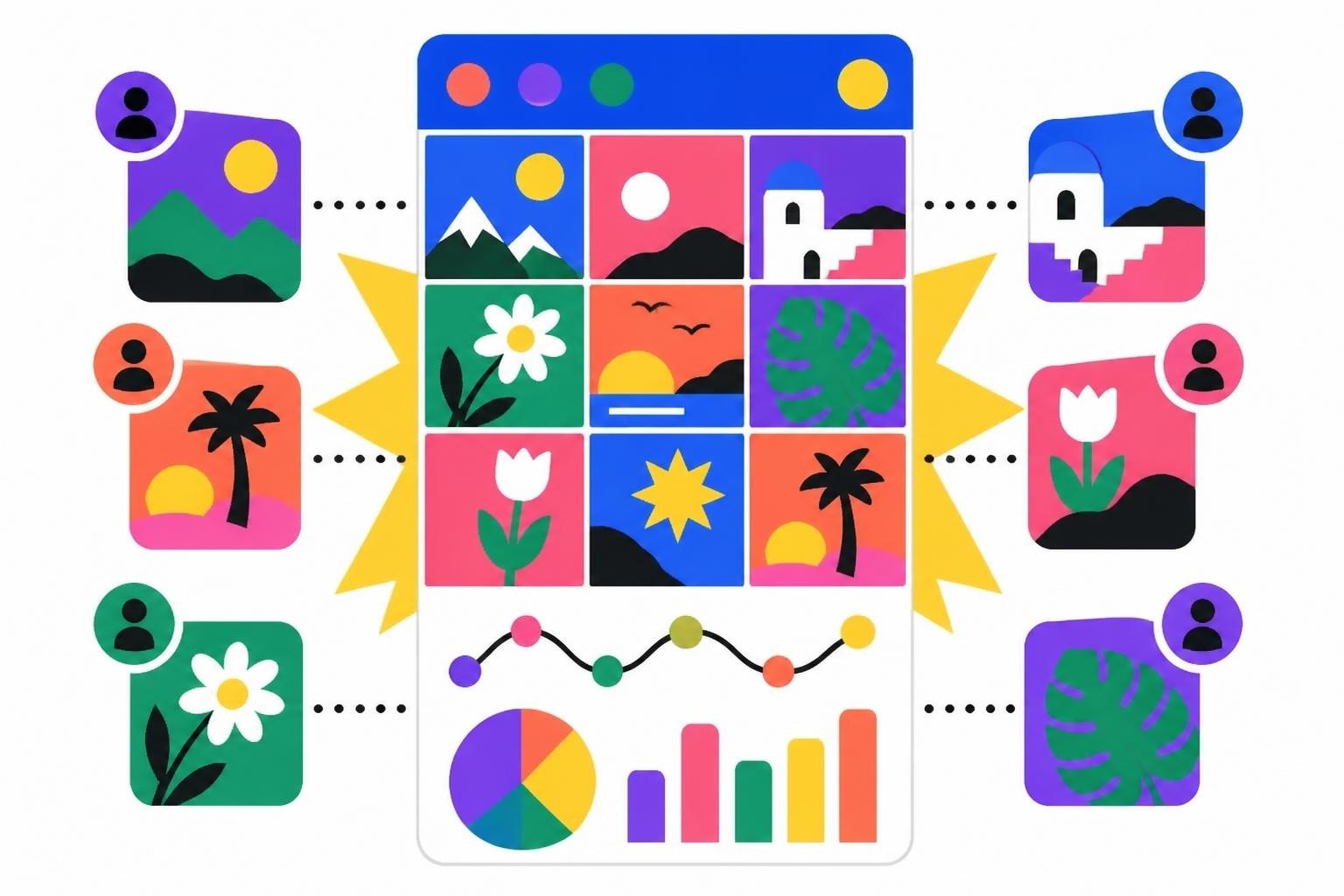
Managing multiple Instagram accounts while maintaining consistent posting schedules has become a fundamental challenge for brands, creators, and marketers in 2026. The platform's emphasis on regular engagement means that sporadic posting undermines visibility, yet manually publishing content at optimal times across different time zones is impractical. This is where apps for scheduling Instagram posts become essential tools, transforming content management from a reactive daily task into a strategic, scalable operation that drives measurable results.
Why Instagram Scheduling Apps Matter in 2026
Instagram's algorithm rewards consistency and timing. Posts published when your audience is most active receive higher initial engagement, which signals to the algorithm that your content deserves broader distribution. Without scheduling tools, achieving this consistency requires constant availability, which doesn't scale beyond a single account or small team.
The landscape of apps for scheduling Instagram posts has matured significantly. Where early tools offered basic queue management, modern platforms now integrate analytics, content creation workflows, and multi-account management into unified dashboards. According to Pew Research Center's 2024 study on Instagram usage, platform engagement patterns have become more segmented by demographics and content type, making strategic scheduling more critical than ever.
Key benefits of scheduling apps include:
- Consistent posting cadence across multiple time zones
- Strategic timing based on audience activity data
- Reduced manual workload for content teams
- Centralized workflow for approvals and collaboration
- Performance tracking tied to publishing schedules
Native Instagram Scheduling vs. Third-Party Tools
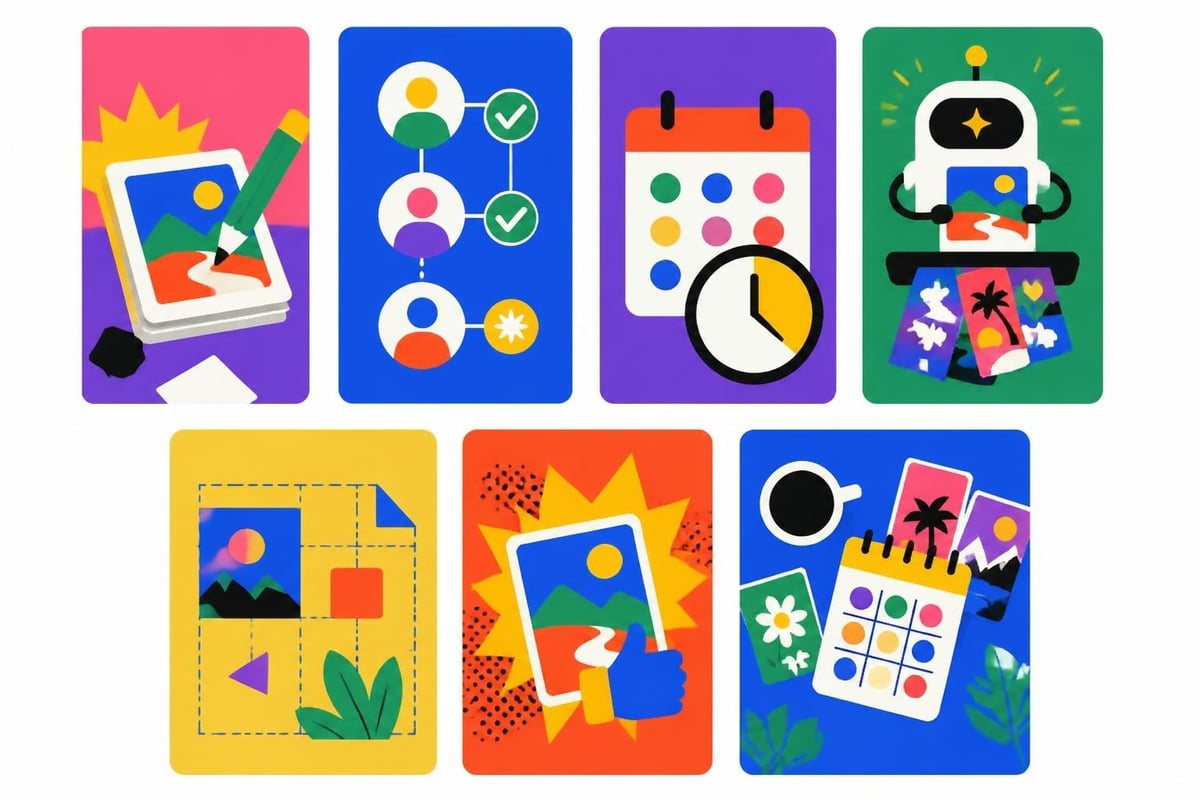
Instagram introduced native scheduling capabilities through its Creator Studio and Business Suite interfaces, giving account managers direct access to schedule posts without external platforms. This official scheduling feature handles single images, carousels, Reels, and Stories with support for captions, tags, and location data.
However, native tools have limitations that drive professionals toward dedicated scheduling apps. Instagram's first-party scheduler works only for business and creator accounts, lacks bulk upload capabilities, and doesn't support cross-platform management. For teams running multiple accounts or coordinating Instagram with other social channels, third-party apps for scheduling Instagram posts remain necessary.
Technical Architecture Behind Scheduling
Modern scheduling platforms interact with Instagram through the Instagram Graph API, which uses a two-step publishing process. Apps first create a media container with your content and metadata, then publish that container at the scheduled time. This container-based publishing flow ensures that your posts meet Instagram's technical requirements before going live.
The distinction matters because some "scheduling" apps actually queue content for manual review rather than automatically publishing. True automation requires proper API integration and account authentication, which professional-grade tools implement through OAuth connections and secure credential management.
Essential Features to Evaluate
When comparing apps for scheduling Instagram posts, certain capabilities separate basic tools from platforms that scale with growing content operations. Your choice depends on account volume, team size, and content complexity, but these features form the foundation of effective scheduling workflows.
| Feature | Basic Tools | Professional Platforms |
|---|---|---|
| Multi-account management | 1-3 accounts | Unlimited accounts |
| Bulk scheduling | Limited or none | CSV import, batch uploads |
| Visual calendar | Monthly view | Multi-account, drag-and-drop |
| Content approval | Not included | Multi-tier workflows |
| Analytics integration | Basic post metrics | Cross-account performance |
| Auto-posting | Notification-based | Fully automated |
Visual planning capabilities transform how teams conceptualize content strategy. Grid preview tools show how individual posts will appear in your profile's overall aesthetic, enabling you to maintain visual cohesion. This matters particularly for brands where Instagram serves as a primary visual identity touchpoint.
Collaboration features become critical as teams grow beyond a single content manager. Look for platforms offering role-based permissions, comment threads on scheduled posts, and approval gates that prevent unauthorized publishing. These workflow tools reduce errors and maintain brand standards across distributed teams.
Automation and AI Integration
The most significant evolution in scheduling apps centers on intelligent automation. Rather than simply queuing posts at preset times, advanced platforms now analyze your historical performance data to recommend optimal posting windows. Some tools adjust schedules dynamically based on real-time engagement patterns, shifting publication times to maximize reach.
This is where strategic content automation makes the biggest impact. When you're scaling content production across multiple accounts, manually analyzing what works becomes impossible. trendoo approaches this by learning from viral posts in your niche, understanding what makes them effective, then generating original content in your voice that starts from proven patterns rather than guesswork.
Top Scheduling App Categories
The market segments into distinct tool categories, each optimized for different use cases and user profiles. Understanding these categories helps you select apps aligned with your specific requirements rather than paying for capabilities you won't use.
All-in-One Social Media Management
Platforms like Hootsuite, Buffer, and Sprout Social position themselves as comprehensive social media command centers. They schedule across Instagram, Facebook, Twitter, LinkedIn, and other networks from unified dashboards. These tools excel for agencies and brands managing presence on multiple platforms simultaneously.
Strengths:
- Consolidated analytics across networks
- Single interface for all social accounts
- Robust team collaboration features
- Enterprise-grade security and compliance
Limitations:
- Higher cost structures
- Complexity may exceed needs for Instagram-only users
- Learning curve for full feature utilization
Instagram-Specific Schedulers
Tools focused exclusively on Instagram, such as Later and Planoly, optimize for visual content planning and Instagram's unique requirements. These platforms prioritize grid aesthetics, hashtag management, and Instagram Stories scheduling with interfaces designed around visual workflows.
The specialization delivers deeper Instagram feature support. You'll find advanced capabilities for Reels scheduling, Story templates, and Instagram Shopping integration that all-in-one platforms may lack. For creators and brands where Instagram represents the primary channel, this focus justifies the specialized tooling.
Content Creation and Scheduling Hybrids
An emerging category combines content creation with scheduling, addressing the full production pipeline rather than just publication. These platforms integrate design tools, video editing, and caption generation alongside traditional scheduling functions.
This integration reduces context switching between content creation apps and scheduling platforms. You can conceptualize, produce, and schedule content in a single workflow, which accelerates production velocity especially for teams producing high volumes of branded content.
Implementing a Scheduling Strategy
Selecting the right apps for scheduling Instagram posts is only the first step. Effective implementation requires a coherent content strategy that leverages scheduling capabilities to drive specific business outcomes. The most successful Instagram accounts treat scheduling as part of a broader content system, not an isolated tactical tool.
Building Your Content Calendar
Start by mapping your content themes to a monthly calendar structure. Identify key dates (product launches, holidays, industry events) and build content arcs that build anticipation and capitalize on these moments. Your scheduling app becomes the operational tool that executes this strategic plan.
Calendar planning workflow:
- Theme identification – Establish monthly or quarterly content pillars aligned with business objectives
- Content slot allocation – Determine posting frequency and distribute themes across available slots
- Production scheduling – Work backward from publish dates to set creation and approval deadlines
- Buffer management – Maintain a reserve of evergreen content for schedule gaps
- Performance review – Analyze scheduled content performance to refine future calendars
This structured approach transforms scheduling from reactive queue management into proactive content orchestration. You'll move from "what should we post today?" to executing a predetermined strategy that supports measurable goals.
Optimal Timing and Frequency
While scheduling apps provide time-slot flexibility, determining when to actually publish requires data analysis. Instagram's algorithm favors recency, but optimal posting times vary significantly based on your specific audience demographics and behavior patterns.
Most scheduling platforms include analytics showing when your followers are most active. Start with these recommendations, then test systematically. Schedule identical content types at different times across several weeks, measuring engagement rate (not just raw engagement) to identify true performance patterns.
| Account Type | Typical Optimal Times | Posting Frequency |
|---|---|---|
| B2B brands | Weekdays 9-11 AM, 1-3 PM | 3-5 posts/week |
| Consumer products | Evenings 6-9 PM, weekends | 5-7 posts/week |
| Entertainment/Media | Late evening 7-10 PM | 1-2 posts/day |
| Creator/Influencer | Mid-day 11 AM-1 PM, evening 7-9 PM | 1+ posts/day |
These represent starting points, not universal rules. Your specific audience may deviate significantly based on geography, industry, and content type. The value of scheduling apps lies in letting you test timing variations without manual intervention.
Instagram engagement patterns across time zones: analyzing audience activity windows, optimal posting slots, and coordinated scheduling for maximum reach
Advanced Scheduling Techniques
Beyond basic queue management, sophisticated users employ scheduling apps to implement advanced content strategies that would be impossible through manual posting. These techniques separate accounts that maintain presence from those that dominate their niches through strategic consistency.
Content Sequencing and Funnels
Strategic post sequencing creates narrative arcs that guide followers through awareness, consideration, and conversion stages. Your scheduling app enables you to plan multi-post sequences days or weeks in advance, ensuring logical progression regardless of when users discover your account.
For example, a product launch sequence might include: teaser post (Day 1), behind-the-scenes content (Day 3), feature highlights (Day 5), customer testimonials (Day 7), and launch announcement (Day 10). Scheduling locks in this sequence while you focus on production quality rather than remembering what comes next.
A/B Testing at Scale
Running controlled experiments across multiple accounts requires coordination that scheduling apps facilitate. You can schedule identical content with variation in captions, hashtags, posting times, or creative formats, then measure comparative performance.
This systematic testing approach accumulates insights faster than intuition-based posting. Over months, you'll develop data-backed understanding of what resonates with your audience, informing both content creation and scheduling decisions with empirical evidence rather than assumptions.
Multi-Account Coordination
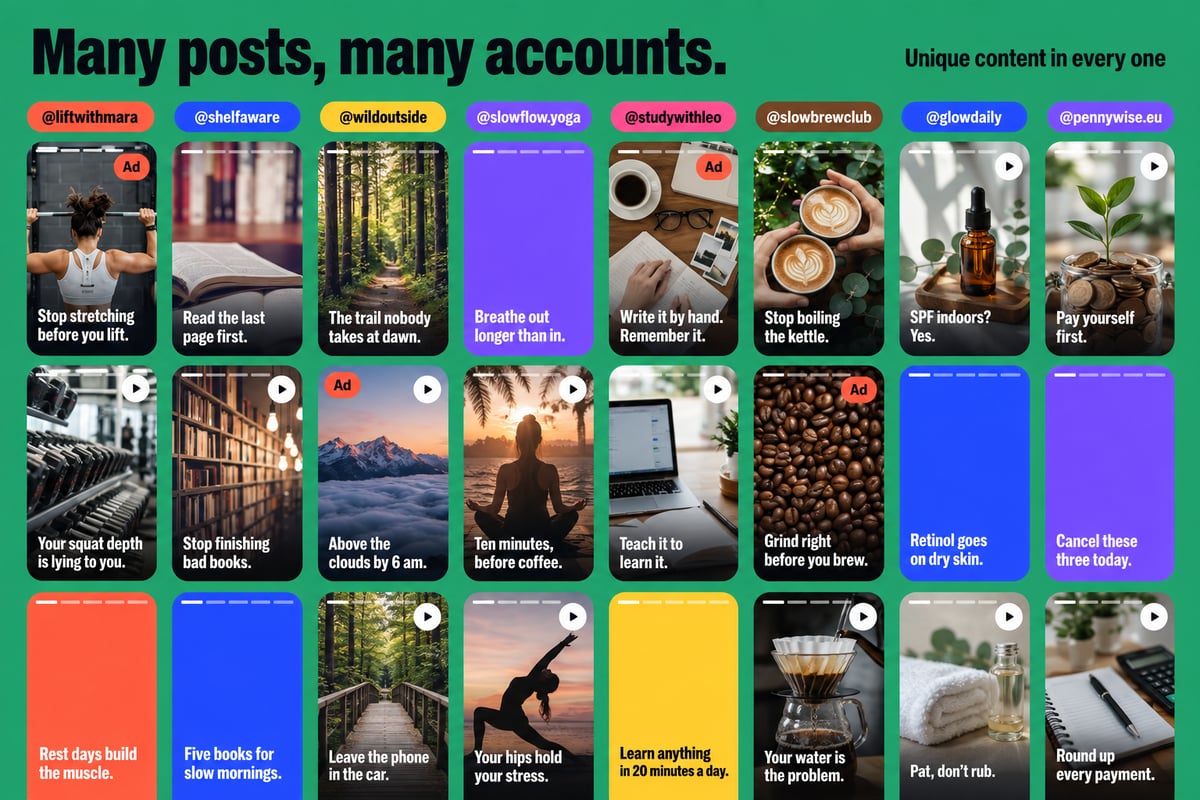
Brands operating multiple Instagram accounts (product lines, regional markets, sub-brands) face coordination challenges that scheduling apps directly address. You can plan complementary content across accounts, ensuring brand consistency while adapting messaging to each audience segment.
Coordination strategies include:
- Staggered timing to avoid audience overlap fatigue
- Coordinated campaigns with account-specific angles
- Cross-promotion scheduling between related accounts
- Centralized approval for brand compliance
The operational efficiency gain scales exponentially with account count. Managing five accounts with scheduling automation requires only marginally more effort than managing one, while manual posting multiplies workload linearly.
Accessibility and Compliance Considerations
Professional Instagram management through scheduling apps requires attention to accessibility and data privacy standards that casual users might overlook. As platform regulations tighten and audience expectations evolve, these considerations affect both user experience and legal compliance.
Image Accessibility
Every image you schedule should include descriptive alt text that makes your content accessible to visually impaired users who engage through screen readers. The W3C's accessibility guidelines provide frameworks for writing effective alt descriptions that convey both content and context.
Most apps for scheduling Instagram posts now include alt text fields in their scheduling interfaces, but remember that Instagram's automatic alt text generation is limited. Manual, thoughtful descriptions improve accessibility while potentially enhancing content discoverability through Instagram's search functions.
Data Privacy and Account Security
When you connect Instagram accounts to third-party scheduling platforms, you're granting access to account data and publishing permissions. Understanding what data these apps collect, how they store it, and who can access it becomes essential, particularly for accounts handling customer information or operating in regulated industries.
Research comparing social platform data practices demonstrates significant variation in how different platforms handle data portability and user information. When evaluating scheduling tools, review their privacy policies specifically around data retention, third-party sharing, and account credential management.
Security checklist for scheduling apps:
- OAuth authentication (not password sharing)
- Two-factor authentication support
- Data encryption in transit and at rest
- Clear data deletion policies
- GDPR/CCPA compliance documentation
- Regular security audits and disclosures
For agencies managing client accounts, these security considerations extend to contractual obligations and professional liability. Select platforms with enterprise-grade security features and maintain documentation of access controls and data handling procedures.
Measuring Scheduling Success
The ultimate value of apps for scheduling Instagram posts lies in measurable business outcomes, not just operational convenience. Effective measurement ties scheduling decisions to performance metrics that matter for your specific objectives, whether that's audience growth, engagement rate, website traffic, or conversion.
Key Performance Indicators
Track metrics that reflect both scheduling effectiveness and content quality. Publishing consistency (percentage of planned posts actually published on schedule) measures operational execution. Engagement rate per scheduled post type reveals which content formats justify continued production.
Primary scheduling KPIs:
- Schedule adherence rate – Percentage of planned posts published on time
- Optimal timing hit rate – Posts published during high-activity windows
- Cross-account consistency – Posting frequency variation across managed accounts
- Production lead time – Days between content creation and scheduled publish
- Engagement by posting time – Performance comparison across different time slots
These operational metrics complement traditional Instagram analytics (reach, engagement, follower growth) by revealing whether your scheduling strategy supports content performance or hinders it through poor timing or inconsistent cadence.
Attribution and ROI
For businesses using Instagram as a marketing channel, connecting scheduled content to conversions requires attribution tracking beyond what most scheduling apps provide natively. UTM parameters in bio links, promo codes unique to Instagram campaigns, and Instagram's native shopping features create attribution touchpoints.
Calculate the cost of your scheduling platform (subscription plus team time) against the incremental revenue or leads generated through your Instagram presence. This ROI calculation justifies continued investment and informs budget allocation between content creation, scheduling tools, and promotion.
Integration with Broader Content Systems
The most effective Instagram scheduling exists within integrated content ecosystems where scheduling apps connect to asset management, approval workflows, and cross-channel distribution. This systems perspective maximizes the value of every piece of content you produce.
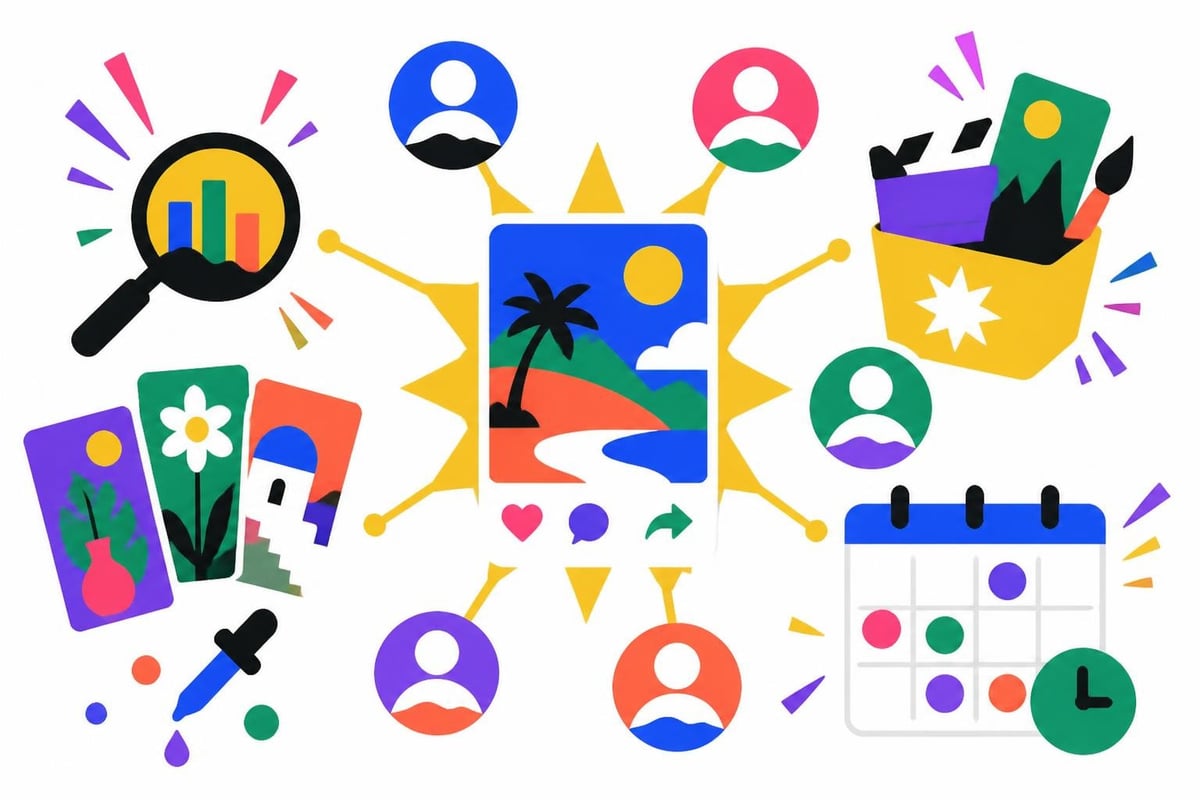
Modern content operations involve multiple specialized tools: digital asset management for media storage, project management for production workflows, analytics platforms for performance measurement, and scheduling apps for publication. APIs and integrations between these systems reduce manual data transfer and create unified workflows.
For instance, you might store all brand photography in a DAM system, where approved images automatically sync to your scheduling app's media library. Content creators pull from this library when building scheduled posts, ensuring brand compliance without manual file transfers. When posts publish, performance data flows back to your analytics dashboard for centralized reporting.
This connected approach scales content production beyond what disconnected tools allow. You eliminate duplicate data entry, reduce version control errors, and create audit trails showing how content moves from concept through publication to performance analysis.
The Future of Instagram Scheduling
The trajectory of apps for scheduling Instagram posts points toward increased intelligence and reduced manual decision-making. Machine learning models will increasingly recommend not just when to post, but what to post based on real-time trend analysis and historical performance patterns.
Predictive analytics will shift scheduling from reactive calendar filling to proactive opportunity identification. Platforms will flag trending topics in your niche and suggest content angles, then automatically generate drafts that align with your brand voice and visual style. Human oversight remains essential, but the tools handle progressively more of the research and production workload.
Integration between content creation and scheduling will deepen. Rather than creating content in one tool and scheduling it in another, unified platforms will handle both within seamless workflows. This convergence addresses the full content lifecycle from ideation through performance analysis, positioning scheduling as one component of comprehensive content orchestration.
The competitive advantage will increasingly belong to teams that master these integrated workflows, using scheduling automation not just for consistency but as leverage for strategic content experimentation and optimization at scale.
Effective Instagram management in 2026 requires sophisticated scheduling tools that go beyond simple queue management to enable strategic, scalable content operations. The right apps for scheduling Instagram posts free your team from manual posting constraints while ensuring consistent, optimally-timed content that drives measurable results. When you're ready to scale beyond scheduling into intelligent content automation that learns from what works, trendoo analyzes viral posts in your niche, understands why they succeed, and generates original content in your voice that starts from proven patterns rather than guesswork.