Generate Pictures: Complete Guide for Content Creators
· 9 min read
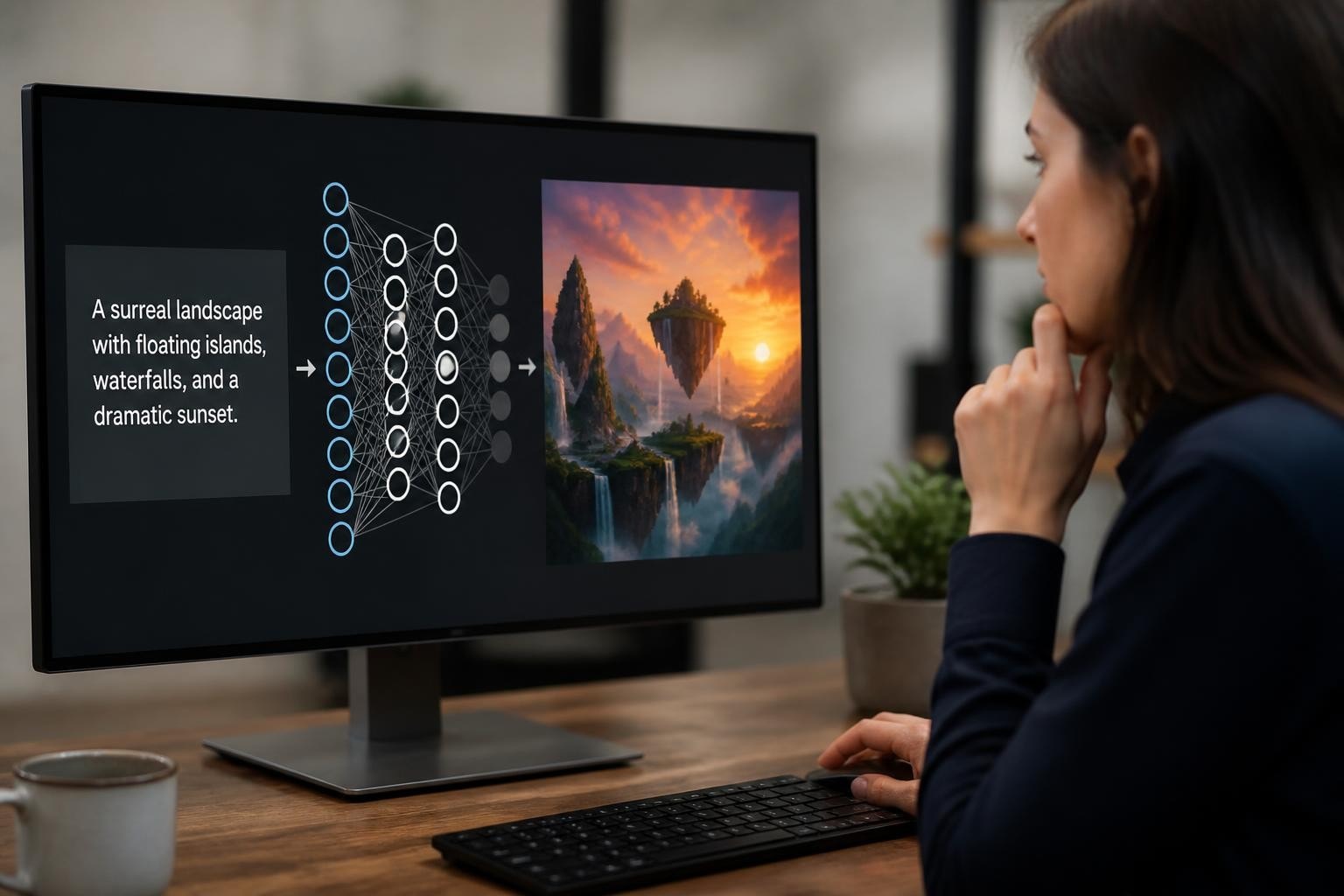
The ability to generate pictures using artificial intelligence has transformed how creators, marketers, and businesses approach visual content production. What once required professional photography equipment, studio time, or advanced design skills can now be accomplished through text prompts and AI models. This shift represents more than convenience: it fundamentally changes how we think about visual storytelling, brand identity, and content velocity. Understanding how to effectively generate pictures has become essential for anyone managing social media accounts, building marketing campaigns, or scaling content operations in 2026.
Understanding How AI Systems Generate Pictures
Modern image generation relies on diffusion models, a breakthrough in machine learning that has revolutionized visual content creation. These systems learn patterns from millions of images during training, then apply that knowledge to create entirely new visuals based on text descriptions. The text-to-image diffusion models that power today's generators represent years of research into how machines can understand and produce visual concepts.
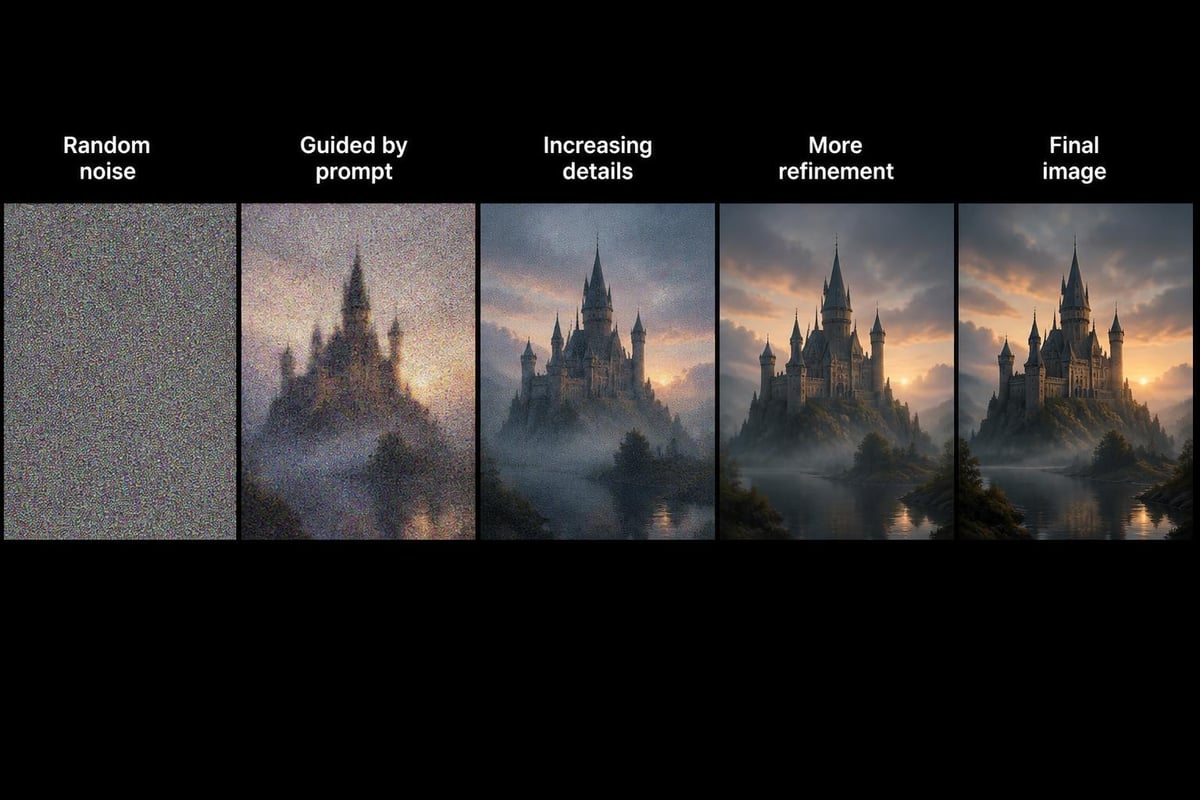
The process works through progressive refinement. The model starts with random noise and gradually shapes it into a coherent image, guided by your text prompt. Each step removes uncertainty and adds detail, moving from abstract patterns toward recognizable forms. This approach differs fundamentally from earlier methods that tried to generate pictures in a single step.
Key components that enable picture generation include:
- Training datasets containing billions of image-text pairs that teach models visual concepts
- Neural networks with billions of parameters that encode relationships between words and visual elements
- Diffusion processes that iteratively refine random noise into structured images
- Conditioning mechanisms that guide generation based on specific inputs and controls
The Role of Training Data
The quality and diversity of training data directly impact what an AI system can generate. Large datasets like LAION-5B have enabled models to understand an enormous range of visual concepts, from everyday objects to abstract ideas. These datasets pair images with their descriptive captions, teaching models the connections between language and visual representation.
However, dataset composition raises important questions about representation, bias, and copyright. The LAION datasets project has worked to improve curation and safety, but creators should understand that generated images reflect the patterns present in training data, including its limitations and biases.
Choosing Tools to Generate Pictures
The landscape of image generation tools has expanded dramatically, offering options for every skill level and use case. Selecting the right platform depends on your specific needs, technical comfort, and intended application.
| Tool Category | Best For | Key Advantages | Considerations |
|---|---|---|---|
| Web platforms | Quick testing, ease of use | No setup required, user-friendly interfaces | Monthly costs, usage limits |
| Open-source models | Customization, privacy | Full control, no usage fees after setup | Technical knowledge required |
| API services | Integration, automation | Scalable, programmable | Per-image costs, rate limits |
| Desktop applications | Offline work, batch processing | Privacy, consistent availability | Hardware requirements |
Commercial Platforms
Services like Midjourney, DALL-E, and others provide polished interfaces that make it simple to generate pictures without technical expertise. These platforms handle all infrastructure, model updates, and optimization, letting you focus on creative direction rather than technical details.
The trade-off involves ongoing subscription costs and less control over the underlying technology. You work within the constraints and capabilities the platform provides, which may limit customization for specific brand requirements or unusual use cases.
Open-Source Solutions
Models like Stable Diffusion 3 offer powerful alternatives for teams with technical resources. Running your own instance provides complete control over the generation process, from model selection to fine-tuning on custom datasets.
This approach requires more initial investment in learning and infrastructure but eliminates ongoing per-image costs. For businesses that need to generate pictures at scale, the economics often favor self-hosted solutions once volume reaches certain thresholds.
Crafting Effective Prompts
Your ability to generate pictures that match your vision depends heavily on prompt engineering. The text description you provide acts as the primary control mechanism, and small changes in wording can produce dramatically different results.
Effective prompts typically include:
- Subject description - The main focus of the image
- Style indicators - Artistic approach, medium, or aesthetic
- Composition notes - Layout, perspective, or framing
- Mood and atmosphere - Emotional tone and lighting
- Technical specifications - Resolution, aspect ratio, or quality markers
Iterative Refinement
Rarely does a first attempt produce the perfect image. Professional workflows involve generating multiple variations, identifying what works, and refining prompts based on results. This iterative approach helps you understand how specific words influence output.
Keep a prompt library of successful formulations. When you discover phrasing that consistently produces desired results, document it for future use. Over time, you'll develop an intuitive sense of how to communicate visual concepts to AI systems.
Advanced Control Techniques
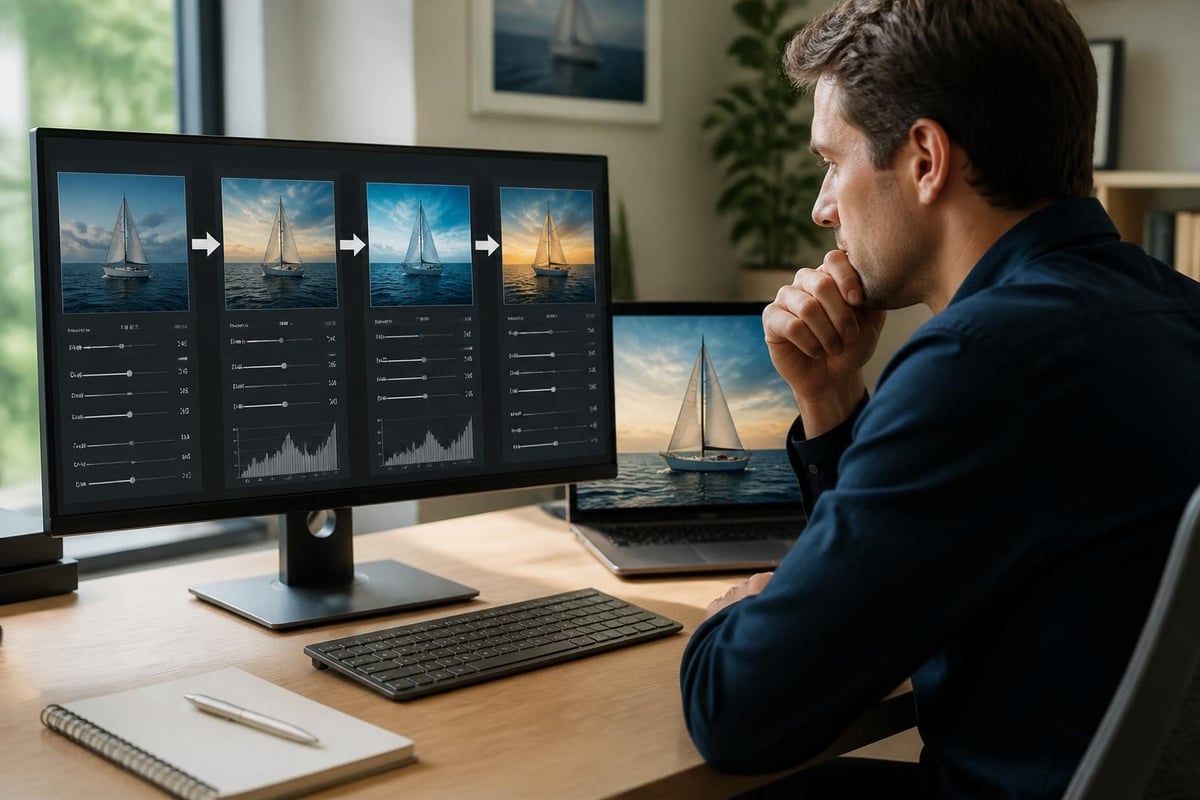
Beyond text prompts, modern systems offer sophisticated methods to direct image generation with greater precision. These controllable generation techniques enable consistency and accuracy that text alone cannot achieve.
Reference Images and Style Transfer
Upload an existing image to guide generation. The AI can match its style, composition, or color palette while creating entirely new content. This proves invaluable for maintaining brand consistency when you need multiple images with a unified aesthetic.
You might generate pictures for a product launch campaign where every visual shares the same artistic style, despite depicting different scenarios or subjects. Reference images ensure coherence across dozens or hundreds of assets.
Segmentation and Masks
Specify exactly which parts of an image should contain specific elements. Draw masks indicating where to place subjects, backgrounds, or details. This level of control helps when you need precise layouts or must integrate generated elements with existing designs.
Composition Guidance
Use edge maps, depth information, or pose skeletons to define image structure before generation. These inputs ensure consistent positioning across multiple images, critical for creating sequences or maintaining character consistency in storytelling.
Scaling Picture Generation for Social Content
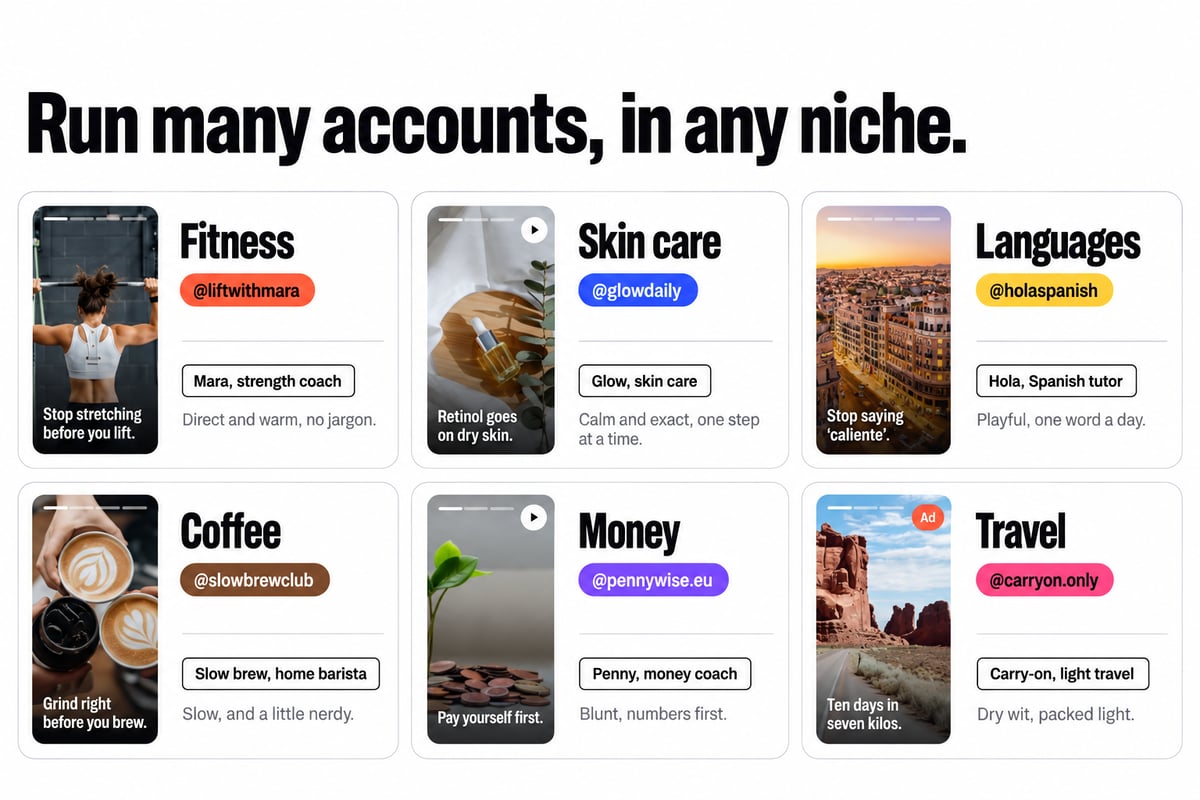
Creating visual content at scale presents unique challenges. You need volume, but also consistency, brand alignment, and enough variation to keep audiences engaged. Automated workflows become essential when you manage multiple accounts or publish frequently.
Smart automation doesn't mean sacrificing quality. It means building systems that maintain your standards while removing repetitive manual work. When you generate pictures for social content, consider how each image fits into broader posting schedules and content calendars.
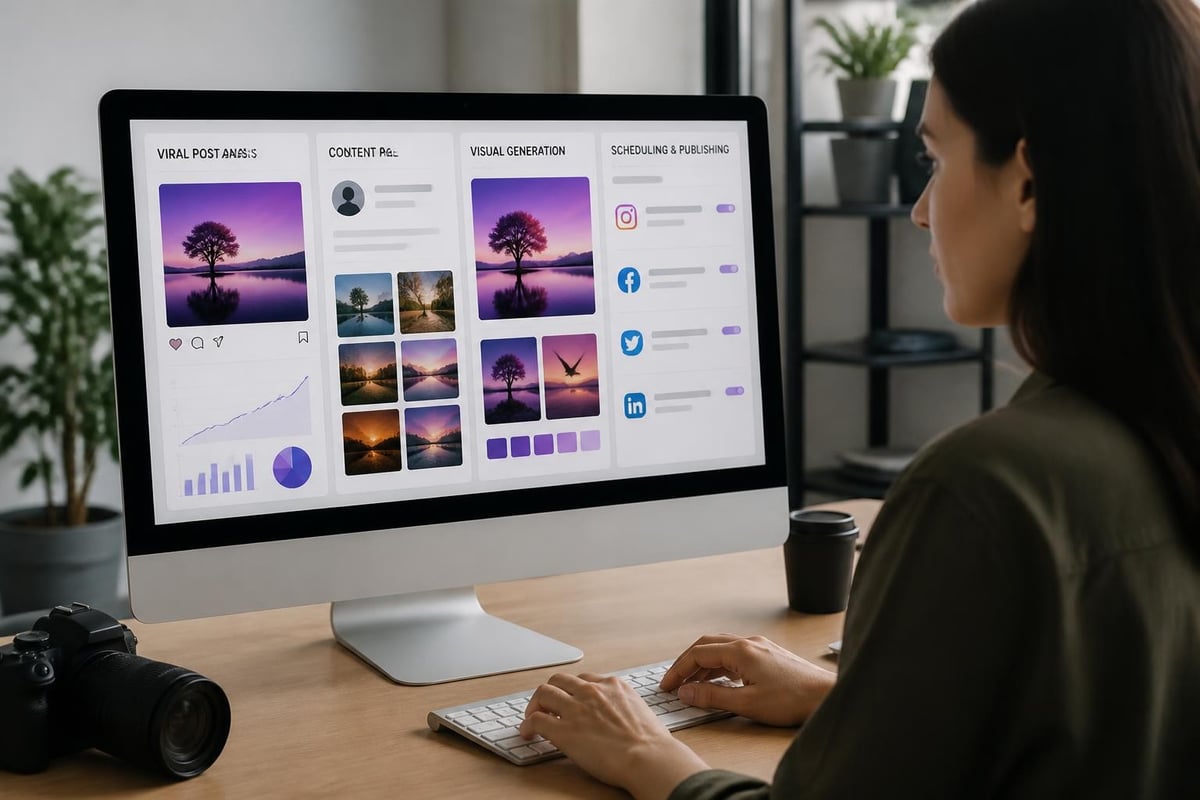
trendoo approaches this by learning from content that already performs well in your niche. It analyzes successful posts to understand effective patterns, then helps you create original content in a similar style using your own visuals. Instead of starting from scratch each time, you build on proven engagement patterns while maintaining complete originality.
Batch Processing Strategies
Generate pictures in batches organized by theme, style, or campaign. This approach improves efficiency and helps maintain visual consistency within content sets. Create templates or base prompts that you modify slightly for each variation.
Effective batch workflows include:
- Preparing prompt variations in advance
- Setting consistent parameters for related images
- Generating multiple versions of each concept
- Organizing outputs by campaign or content category
- Scheduling review sessions to select final assets
Quality Control at Scale
When volume increases, systematic quality checks become critical. Establish clear criteria for what constitutes acceptable output. Create review processes that flag images requiring manual attention while approving those that meet standards automatically.
Consider dimensions like technical quality (resolution, artifacts), brand alignment (colors, style), and content appropriateness. Automated filtering based on these criteria streamlines selection from large batches.
Legal and Ethical Considerations
The ability to generate pictures raises important questions about copyright, attribution, and responsible use. Understanding these issues protects your business and ensures ethical content creation practices.
Copyright law continues evolving in response to AI-generated content. Current frameworks were designed for human creators, and courts are still determining how they apply to machine-generated works. The ethical implications of image synthesis extend beyond legal compliance to questions of fairness, representation, and social impact.
Ownership and Rights
Most commercial platforms grant you rights to use images you generate, but terms vary significantly. Read licensing agreements carefully, especially regarding commercial use, resale, and attribution requirements. Some services retain certain rights or impose usage restrictions.
When you generate pictures using open-source models, licensing often depends on the model's specific terms and the training data used. Some models carry restrictions inherited from their datasets.
Attribution and Transparency
Consider disclosing when visual content is AI-generated, particularly in contexts where authenticity matters. Some platforms and jurisdictions are moving toward mandatory disclosure requirements for synthetic media.
Transparency builds trust with audiences and demonstrates responsible practices. It also helps set appropriate expectations about the nature and origin of your content.
Integration with Content Workflows
Generated pictures deliver maximum value when seamlessly integrated into existing content creation processes. The goal isn't replacing human creativity but augmenting it and removing bottlenecks that slow production.
Content Pipeline Design
Map your current workflow from concept to publication. Identify where image generation fits most naturally. For some teams, it replaces stock photo searches. For others, it creates base assets that designers refine. Understanding your specific needs shapes how you implement generation tools.
Common integration points include:
- Ideation phase - Quick concept visualization
- Draft creation - Placeholder imagery for layouts
- Production - Final assets for publication
- Variation testing - Multiple options for A/B testing
- Repurposing - Adapting existing concepts to new formats
Asset Management
As you generate pictures more frequently, organizing and cataloging outputs becomes essential. Implement systems that tag images with prompts, parameters, and metadata. This documentation helps reproduce successful results and prevents redundant generation.
Connect generation tools with digital asset management systems. Maintain libraries organized by campaign, style, subject matter, or intended channel. Proper organization ensures you can locate and reuse assets efficiently.
Optimizing for Different Platforms
Social platforms have distinct visual requirements and audience expectations. Pictures that perform well on Instagram may need adjustments for LinkedIn or Twitter. Understanding these differences helps you generate pictures optimized for each channel.
| Platform | Optimal Dimensions | Visual Style | Key Considerations |
|---|---|---|---|
| 1080x1080, 1080x1350 | Bold, colorful, lifestyle | High visual quality expected | |
| 1200x627 | Professional, clean | Context and relevance matter | |
| 1200x675 | Clear, immediate impact | Must work at small sizes | |
| 1200x630 | Varied, authentic | Mobile viewing dominant | |
| TikTok | 1080x1920 | Dynamic, attention-grabbing | Video-first mindset |
Platform-Specific Strategies
Generate pictures with composition that works at various sizes. Important elements should remain visible and impactful when thumbnails appear in feeds. Text overlays need sufficient contrast and sizing to remain legible on mobile devices.
Consider cultural and aesthetic norms for each platform. Professional networks favor polished, informative visuals. Entertainment-focused platforms reward creativity and emotional resonance. Tailor generation parameters and prompts to match these expectations.
Performance Measurement and Iteration
Track how generated pictures perform compared to other visual content. Metrics like engagement rates, click-throughs, and conversion provide feedback about what resonates with your audience. Use this data to refine your generation approach over time.
Key metrics to monitor include:
- Engagement rate (likes, comments, shares) per visual
- Click-through rate when images accompany links
- Conversion rate for images in promotional content
- Audience retention for video thumbnails
- A/B test results comparing generated vs. traditional imagery
Continuous Improvement
Analyze top-performing images to identify patterns. Do certain styles, colors, or subjects consistently drive better results? Feed these insights back into your prompt library and generation parameters.
Test systematically. Generate variations with controlled changes to isolate what influences performance. This experimental approach builds understanding of what your specific audience responds to, rather than relying on general best practices that may not apply to your niche.
The ability to generate pictures economically enables testing volume that would be impractical with traditional photography or design. Run more experiments, fail faster, and discover what works through iteration rather than intuition.
Managing Multiple Visual Styles
Brands often need different visual approaches for various campaigns, products, or audience segments. The flexibility to generate pictures in multiple styles from a single system offers significant operational advantages.
Create distinct prompt templates or fine-tuned models for each brand voice or campaign aesthetic. This organization ensures consistency within each style while maintaining the ability to quickly switch between different visual languages.
Document parameters and successful prompts for each style in a centralized reference. When team members need to generate pictures matching a specific campaign, they can reference established guidelines rather than starting from scratch. This systematization maintains quality as teams scale and new contributors join content creation efforts.
Understanding how to generate pictures effectively gives content creators and marketers unprecedented control over visual production. The technology continues evolving rapidly, with new capabilities and refinements arriving constantly. When you need to produce social content at scale while maintaining quality and brand consistency, trendoo learns from proven viral posts in your niche and helps you create original content with your own pictures. Run multiple profiles and accounts efficiently while tracking what's published and how each post performs.