Make a Post That Drives Engagement in 2026
· 11 min read

When you make a post for your brand or business in 2026, you're not just sharing content-you're competing for attention in an ecosystem where millions of posts go live every hour. The difference between a post that disappears into the void and one that drives meaningful engagement often comes down to understanding what works, adapting proven patterns, and maintaining consistency at scale. Whether you're managing a single account or orchestrating content across dozens of profiles, the ability to make a post that resonates with your specific audience has become both an art and a science.
Understanding What Makes Posts Perform
The first step to creating effective content is recognizing that successful posts share identifiable patterns. When you analyze trending content in your niche, you'll notice recurring elements: specific headline structures, opening hooks that create curiosity, visual formats that stop the scroll, and calls to action that drive specific behaviors.
Key performance indicators to track:
- Engagement rate (likes, comments, shares relative to reach)
- Click-through rate for posts with links
- Save rate (particularly valuable on visual platforms)
- Share rate (indicating content others find valuable enough to redistribute)
- Completion rate for video content
These metrics tell you whether your content connects with your audience or gets ignored. The challenge is that what works in one niche may fail completely in another, which is why learning from your own vertical matters more than following generic advice.

Learning From Viral Content
When a post takes off in your industry, it's not random luck. That content tapped into something your audience cares about, presented in a format they prefer, at a moment when they were receptive. The question is whether you can identify those success factors and apply them to your own content strategy.
Start by collecting examples of high-performing posts in your space. Look beyond surface-level observations like "this got a lot of likes" and dig into structural elements. What problem does it solve? What emotion does it trigger? How is information sequenced? What visual approach does it use?
| Element | What to Analyze | Why It Matters |
|---|---|---|
| Opening hook | First 3-5 words or initial visual frame | Determines whether users stop scrolling |
| Content structure | How information is organized and revealed | Affects comprehension and completion |
| Visual approach | Image style, video format, text overlay | Drives recognition and brand consistency |
| Voice and tone | Word choice, sentence length, perspective | Creates connection and trust |
| Call to action | What the post asks readers to do | Determines conversion and engagement type |
This analytical approach transforms content creation from guesswork into a repeatable process. When you make a post based on proven patterns rather than hunches, your success rate improves dramatically.
Building Your Content Voice Profile
Generic content gets generic results. The posts that cut through noise have a distinctive voice that audiences recognize and trust. Creating that voice requires intention and consistency, but the payoff is content that feels authentically yours while incorporating elements that you know perform well.
Your voice profile should document specific choices about language, formatting, and presentation. Do you use questions or statements? Short punchy sentences or longer explanatory ones? Casual language or professional terminology? These decisions compound over dozens of posts to create a recognizable style.
Documenting Style Patterns
The most effective way to develop a consistent voice is to identify posts you admire and reverse-engineer their approach. This doesn't mean copying-it means understanding the underlying principles that make them work, then adapting those principles to your own message and audience.
When you make a post that represents your brand well, save it as a reference. Build a collection that represents your ideal output, and use those examples as a style guide for future content. This is particularly valuable when you're creating content at scale or working with team members who need to maintain brand consistency.
Elements to document in your style guide:
- Typical post length (word count or character count)
- Paragraph structure and use of line breaks
- Emoji use (frequency, placement, purpose)
- Hashtag strategy (number, placement, branded vs. general)
- Visual style (color palette, composition, text placement)
- Topic categories and content pillars
- Engagement prompts and question formats

Scaling Content Production
The challenge most brands face isn't creating one good post-it's creating dozens of good posts consistently. When you need to make a post daily or multiple times per day across various platforms, manual creation becomes unsustainable. This is where understanding content patterns and building systematic approaches pays off.
Successful scaling requires three elements: a clear understanding of what works (your proven patterns), a consistent voice (your style profile), and efficient production workflows that maintain quality while increasing volume.
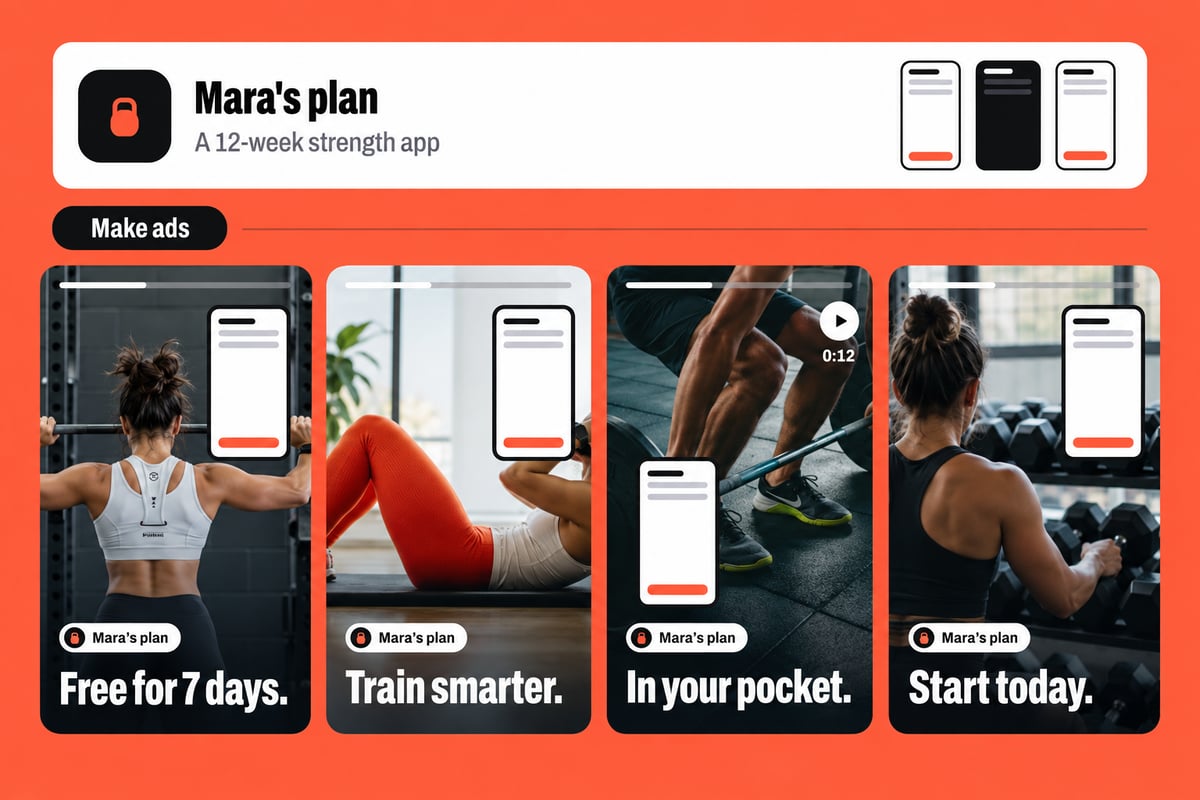
trendoo addresses this exact challenge by learning from viral content in your niche and generating original posts in your style. Paste a link to a post that's performing well, and trendoo analyzes what made it successful-then creates new content that incorporates those proven elements while keeping your unique voice. It never copies existing posts; instead, it generates completely new content based on patterns that work, using your images and messaging. You can manage multiple accounts and content profiles from one dashboard, tracking which posts are published, scheduled, or performing best. Monthly plans are half price the first month when you start with trendoo.
Multi-Platform Content Strategy
Different platforms reward different content formats, but the core message can remain consistent. When you make a post for Instagram, the visual component dominates. The same concept adapted for Twitter emphasizes concise copy and conversation. LinkedIn versions might expand on professional implications.
Rather than creating completely separate content for each platform, develop a system where you create foundational content that adapts to platform-specific requirements. This approach maintains message consistency while respecting each platform's unique culture and technical specifications.
The WordPress Block Editor tutorial demonstrates how modern publishing tools make it easier to compose, arrange, and publish content across different formats, a principle that extends to social content management as well.
Optimizing Posts for Discoverability
Creating excellent content means nothing if your audience never sees it. When you make a post in 2026, you're optimizing for both algorithms and human readers-a balance that requires understanding how content gets distributed and discovered.
Search visibility matters even for social posts. Google's Search updates increasingly surface social content in results, particularly for trending topics and real-time information. This means your posts need to consider SEO principles like keyword usage, descriptive alt text for images, and clear topic signals.
Technical Optimization Checklist
- Image optimization: Follow responsive image best practices to ensure fast loading and proper display across devices
- Accessibility: Apply WCAG guidelines including alt text, readable contrast, and clear language structure
- Metadata: Include relevant keywords naturally in post copy, titles, and descriptions
- Timing: Publish when your specific audience is most active (varies by niche and platform)
- Hashtag research: Use a mix of high-volume and niche-specific tags for broader and targeted reach
Platform-specific considerations:
| Platform | Primary Ranking Factor | Optimal Post Frequency |
|---|---|---|
| Recent engagement velocity | 1-2 posts daily, 3-7 stories | |
| Recency and engagement rate | 3-10 tweets daily | |
| Dwell time and meaningful interactions | 1 post daily | |
| TikTok | Watch completion and rewatches | 1-3 videos daily |
| Engagement from close connections | 1-2 posts daily |
The Content Marketing Institute's guide to content planning offers frameworks for developing a publishing calendar that balances consistency with quality, ensuring you make a post regularly without burning out your team.
Crafting Compelling Headlines and Hooks
The first few words of your post determine whether anyone reads the rest. When you make a post, you're competing against infinite scroll, notification badges, and dozens of other attention-grabbers. Your opening needs to create immediate value or curiosity.
Effective hooks follow recognizable patterns: they promise specific value, create information gaps, challenge assumptions, or connect to current conversations. The key is adapting these patterns to your voice and audience rather than using them formulaically.
Headline Formulas That Work
Strong headlines balance specificity with intrigue. "How to grow your business" is too vague. "How we added 47 customers in 14 days using one content tactic" creates curiosity through specificity. The Content Marketing Institute's headline guidance explores how to craft titles that serve both reader needs and business objectives.
Proven opening patterns:
- Problem/solution: "Struggling with X? Here's what worked for us..."
- Counterintuitive: "Why doing X actually hurts your results..."
- Specific outcome: "Three changes that increased our Y by Z%..."
- Story hook: "Last Tuesday, everything changed when we..."
- Direct value: "The complete guide to X (save this for later)..."
Test different approaches with your audience and track which patterns generate the strongest engagement. What works for one niche may fall flat in another, so let your own data guide your choices.
Managing Content Rights and Compliance
When you make a post that includes images, videos, music, or quotes, you're navigating copyright and licensing considerations. Understanding these rules protects your brand from takedown notices and potential legal issues.
User-generated content, stock media, and original creations all have different rights implications. The DMCA overview explains takedown procedures and safe harbor provisions that affect how platforms handle copyright claims. For your own original posts, the Copyright Office guidance on digital content registration clarifies how to protect your work.
Rights management best practices:
- Create original content whenever possible
- Use properly licensed stock media with commercial rights
- Get explicit permission before posting customer photos or testimonials
- Credit sources appropriately when sharing others' ideas
- Document permissions and licenses for audit purposes
- Understand platform-specific terms of service regarding content ownership
Writing for Readability and Engagement
Web readers scan rather than read word-for-word. When you make a post for digital consumption, structure matters as much as substance. The Nielsen Norman Group's web writing guidelines provide evidence-based recommendations for creating scannable, effective content.
Break long paragraphs into shorter chunks. Use bullet points for lists. Add subheadings to segment topics. These formatting choices aren't just aesthetic-they directly impact whether readers absorb your message or bounce.
Engagement-Driven Writing Techniques
Every post should have a clear purpose: educate, entertain, inspire, or prompt action. Mixing purposes within a single post often dilutes effectiveness. Decide what you want the post to accomplish, then structure everything to support that goal.
Questions drive comments. Controversial (but defensible) positions spark discussion. Practical tips get saved and shared. Understand what action you want from readers, then craft content that naturally encourages that behavior.
Calls to action that convert:
- Tag someone who needs to see this
- What's your experience with X?
- Save this for when you need it
- Try this and report back
- Which option would you choose?
The best calls to action feel like natural extensions of the content rather than marketing afterthoughts. When you make a post that provides genuine value, asking readers to engage feels like an invitation rather than a demand.
Measuring and Iterating
Publishing without analysis is guessing. Track performance metrics for every post, identify patterns in what works, and continuously refine your approach. The posts that perform best reveal what your audience values, what formats they prefer, and what topics resonate.
Create a simple tracking system that captures key metrics: engagement rate, reach, click-through rate, and any conversion events relevant to your goals. Review this data weekly to spot trends, monthly to identify broader patterns, and quarterly to reassess strategy.
A/B Testing for Continuous Improvement
When you make a post, you're running an experiment. Change one variable-headline style, image format, posting time, call to action-and measure the impact. Over time, these experiments compound into significant performance improvements.
Elements worth testing:
- Post length (short vs. comprehensive)
- Visual style (photos, graphics, videos)
- Tone (casual, professional, provocative)
- Time of day and day of week
- Hashtag count and selection
- Question placement and phrasing
Document your findings so you're building institutional knowledge rather than relying on memory. When you discover that Tuesday morning posts outperform Thursday afternoons, or that posts with specific question formats generate 3x more comments, you've identified actionable patterns to replicate.
Check trendoo's pricing to see how automation can help you test and iterate faster by generating multiple content variations based on proven patterns while maintaining your unique voice across all your accounts.
Batch Creation and Scheduling
Consistency beats intensity in content marketing. It's better to make a post daily for a month than to publish ten posts in one day and go silent for weeks. Batch creation-producing multiple posts in dedicated sessions-helps maintain that consistency without daily creative pressure.
Set aside focused time for content creation. In a single session, you might develop a week's worth of posts, schedule them for optimal times, and bank extra content for unexpected gaps. This approach reduces decision fatigue and creates buffer against busy periods when content creation would otherwise fall off your priority list.
Efficient batch workflow:
- Research trending topics and gather inspiration (30 minutes)
- Outline 5-7 post concepts based on proven patterns (20 minutes)
- Write all post copy in one sitting (60 minutes)
- Create or select visuals for all posts (45 minutes)
- Schedule posts for the coming week (15 minutes)
- Review analytics from previous period and adjust approach (20 minutes)
This three-hour weekly session produces consistent output and maintains quality standards. Compare this to creating posts reactively each day, which fragments attention and often results in lower-quality content rushed to meet deadlines.

Platform-Specific Adaptation Strategies
While core messages can remain consistent, each platform has unique characteristics that affect how you should make a post for maximum impact. Understanding these nuances allows you to adapt foundational content rather than creating entirely separate posts from scratch.
Instagram prioritizes visual storytelling. Leading with striking imagery, using the first line to hook viewers before the "more" break, and incorporating relevant hashtags drives discovery. Stories and Reels demand different approaches than feed posts, with vertical video and quick-cut editing performing best.
Twitter rewards timely commentary and concise insight. Threading allows longer-form content while maintaining the platform's conversational feel. Quote tweets and replies to trending topics can expand reach beyond your existing followers.
LinkedIn values professional insight and industry expertise. Posts that share lessons learned, provide actionable business advice, or offer thoughtful analysis of industry trends generate engagement from decision-makers and industry peers.
Cross-Platform Content Adaptation
Start with your strongest content format, then adapt rather than recreate. A comprehensive LinkedIn article can become a Twitter thread, an Instagram carousel, and a series of shorter posts. A video can be edited into platform-specific lengths and aspect ratios while maintaining the core message.
This approach maintains message consistency while respecting each platform's culture and technical requirements. Your audience may encounter your content on multiple platforms, and this repetition reinforces your message rather than boring them with identical posts.
Creating posts that drive engagement requires understanding what works, developing a consistent voice, and maintaining quality at scale. When you analyze proven patterns, document your style, and build systematic workflows, you transform content creation from a daily scramble into a strategic advantage. Trendoo helps you scale this process by learning from viral content in your niche and generating original posts that match your voice-so you can focus on strategy while automation handles production across all your accounts.